

Understanding “Cracking” — Why Do Joints Pop During an Adjustment?
Understanding “Cracking” — Why Do Joints Pop During an Adjustment?
Most joint popping comes from something called cavitation. It sounds technical, but the idea is simple.
Your joints are surrounded by a capsule filled with synovial fluid. This fluid acts like motor oil, keeping everything slick and moving smoothly. It also contains dissolved gases, mostly carbon dioxide, along with some oxygen and nitrogen.
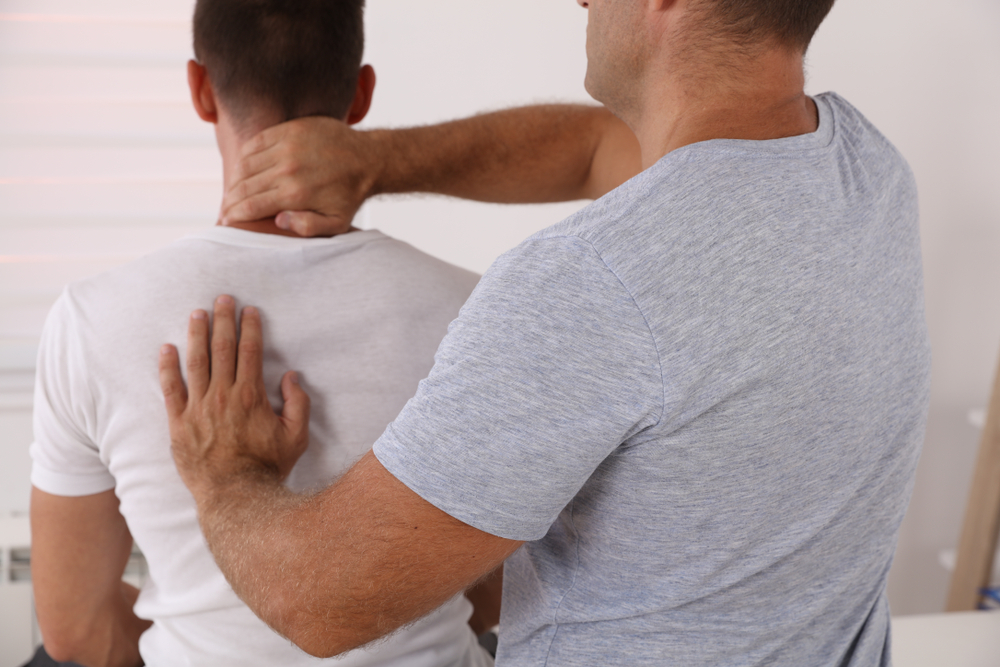
During an adjustment, the chiropractor gently stretches the joint. That stretch creates more space inside the capsule. When the volume increases, the pressure drops. Under low enough pressure, the dissolved gases rush out of the fluid and form a bubble. That bubble then collapses almost instantly. The pop you hear is the sound of that collapse.
Researchers have recorded these sounds at up to 83 decibels. That is about as loud as a running garbage disposal. When the adjustment happens near your ear, like in your neck, it can sound even louder. No wonder people get startled.
Other Reasons Your Joints Pop
Cavitation is the most common source of the sound, but it is not the only one.
Sometimes, a ligament or tendon rolls over another ligament or bone as the joint moves. This can produce a snapping sensation, especially in the ankle or knee. Another cause is the separation of skin and muscle fascia. Your body has layers of tissue, and when your chiropractor lifts or moves the skin quickly, those layers can separate with a small popping noise. It is harmless and similar to what happens inside the joint itself.
Why You Cannot Crack the Same Joint Twice
After a chiropractic adjustment, you may notice something interesting. That same joint will not pop again right away. There is a reason for this.
Once the gas bubble collapses, it takes time for those gases to fully dissolve back into the synovial fluid. Researchers call this the refractory period. It can last about twenty minutes or more. Until the gases re-dissolve, the joint will not produce another pop, no matter how much you stretch it. You might feel a little movement, but the sound will be missing.
Is the Sound Something to Worry About?
The short answer is no. The popping sound by itself is not a problem. It is not bones grinding together or anything breaking. The noise you are hearing is safe, since it leads to reduced pain and restored range of motion.
In fact, the sound is often a sign that the adjustment did its job. The joint moved past its usual sticking point. Fresh fluid flowed into the space. The surrounding muscles got a quick stretch.
What matters most is how your joint feels afterward. As long as you do not have sharp pain or swelling, the pop is just a harmless side effect of a helpful treatment.
The Real Point of the Adjustment
Many people are surprised to learn that the pop itself does not bring relief. The real benefit comes from stretching the soft tissues around the joint and restoring normal movement. The sound just happens along the way. Your chiropractor is focused on helping your joints move as they should, not on making them crack.
Knowing what causes that pop can turn worry into curiosity. Next time you hear it, you will understand what is happening and can relax, knowing your body is responding as it should.
For more on why joints pop during an adjustment, visit Back 2 Wellness Chiropractic. Our office is in Arlington, Texas. Call 817-453-9339 to book an appointment today.
https://health.clevelandclinic.org/snap-crackle-pop-need-know-joint-noises



Contact Info
8011 S. Cooper St Ste. 101
Arlington, TX 76001
Arlington, TX 76001
Phone: 817-453-9339
Hours of Operation
- Monday 9:00 AM - 12:00 PM
2:00 PM - 7:00 PM - Tuesday 8:00 AM - 12:00 PM
2:00 PM - 5:30 PM - Wednesday 9:00 AM - 12:00 PM
2:00 PM - 7:00 PM - Thursday 8:00 AM - 12:00 PM
2:00 PM - 5:30 PM - Friday 8:00 AM - 12:00 PM
- Saturday CLOSED
- Sunday CLOSED
© 2026 Back 2 Wellness Chiropractic. All rights Reserved. Accessibility Statement - Privacy Policy - Sitemap
Powered by:
